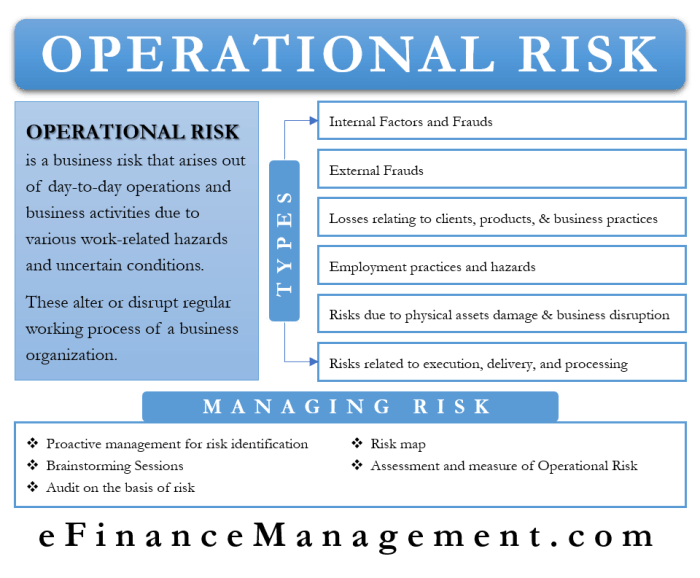
Delving into Operational risk assessment, this introduction immerses readers in a unique and compelling narrative, providing insights into the critical process of identifying and managing risks within various industries. From understanding the basics to implementing effective strategies, this topic explores the essence of operational risk assessment.
Overview of Operational Risk Assessment
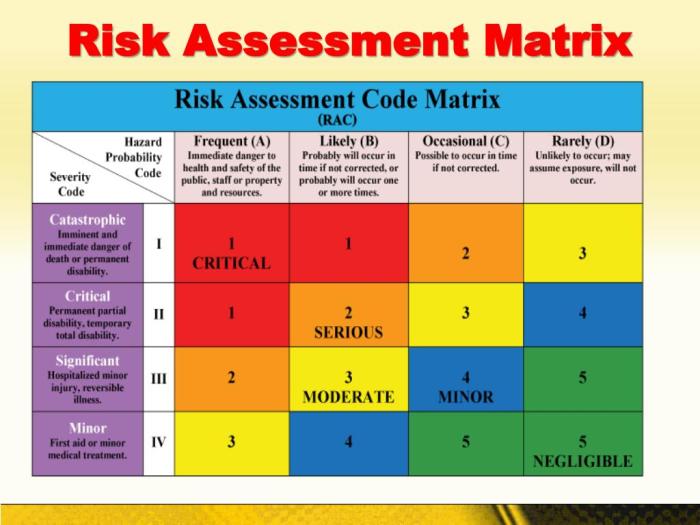
Operational risk assessment is a crucial aspect of risk management that focuses on identifying, assessing, and mitigating risks within operational processes and systems. This type of assessment helps organizations evaluate potential threats to their daily operations and implement strategies to minimize the impact of these risks.
Importance of Operational Risk Assessments
Operational risk assessments are essential in various industries to ensure business continuity, protect assets, and maintain regulatory compliance. By conducting these assessments, organizations can proactively identify weaknesses in their operations, improve internal controls, and enhance overall efficiency.
Key Components of Operational Risk Assessment
- Identification of Risks: This involves recognizing potential threats to operational processes, such as human error, system failures, or external events.
- Assessment of Impact: Evaluating the potential consequences of identified risks on the organization’s operations, reputation, and financial stability.
- Risk Mitigation Strategies: Developing and implementing measures to reduce the likelihood of risks occurring and minimize their impact if they do occur.
- Monitoring and Review: Regularly monitoring operational risks, assessing the effectiveness of mitigation strategies, and updating risk assessments as needed.
Principles of Risk Assessment
Risk assessment is guided by several fundamental principles that help in the systematic identification and evaluation of potential risks. By following these principles, organizations can effectively manage and mitigate risks to ensure smooth operations and minimize negative impacts.Risk assessment plays a crucial role in identifying potential risks by analyzing various factors that could lead to disruptions or losses. This process involves evaluating the likelihood of an event occurring and its potential impact on the organization.
By conducting a thorough risk assessment, organizations can proactively identify vulnerabilities and areas of concern, allowing them to implement appropriate control measures.
Role of Risk Assessment in Creating Mitigation Strategies
Risk assessment serves as the foundation for creating effective mitigation strategies to address identified risks. Once potential risks are identified and assessed, organizations can develop and implement risk mitigation plans to reduce the likelihood and impact of these risks. These strategies may include implementing control measures, transferring risks through insurance, or avoiding certain activities altogether.
- Identifying and prioritizing risks: Risk assessment helps organizations identify and prioritize risks based on their likelihood and potential impact.
- Developing control measures: Based on the identified risks, organizations can develop control measures to mitigate the impact of these risks.
- Monitoring and reviewing: Risk assessment is an ongoing process that requires continuous monitoring and review to ensure that mitigation strategies are effective and up-to-date.
Risk Management Strategies
Risk management strategies play a crucial role in mitigating operational risks within organizations. By identifying potential risks through assessments, companies can develop effective strategies to minimize the impact of these risks on their operations.
Implementing Risk Management Strategies
- One common risk management strategy is to transfer the risk to a third party through insurance policies. For example, an organization may purchase business interruption insurance to cover losses in case of unforeseen events affecting operations.
- Another strategy is to avoid the risk altogether by changing processes or procedures. For instance, if a company identifies a high risk of fraud in manual accounting processes, they may implement automated systems to reduce the risk.
- Organizations can also mitigate risks by accepting them but putting in place controls to minimize their impact. This can include regular monitoring, audits, and training programs to ensure employees are aware of potential risks.
Aligning Risk Management Strategies with Business Objectives
- It is essential for organizations to align their risk management strategies with their business objectives to ensure they are not only mitigating risks but also contributing to the overall success of the company.
- For example, if a company’s objective is to expand globally, their risk management strategy should include assessing and mitigating risks associated with international operations, such as currency exchange fluctuations or geopolitical instability.
- By aligning risk management strategies with business objectives, organizations can ensure that they are proactively addressing potential risks that may impact their ability to achieve their goals.
Risk Tolerance Levels
Risk tolerance refers to the level of risk that an organization is willing to accept in pursuit of its objectives. It plays a crucial role in operational risk assessment as it helps organizations determine the acceptable level of risk they are willing to take on to achieve their goals. Understanding risk tolerance levels is essential for effective decision-making processes within an organization.
Importance of Risk Tolerance Levels
Determining risk tolerance levels influences decision-making processes within an organization by providing a framework for evaluating risks and making informed choices. It helps in prioritizing risks based on their potential impact and likelihood, allowing organizations to allocate resources effectively to manage risks that align with their risk tolerance levels.
- Establishing risk thresholds based on risk tolerance levels enables organizations to set boundaries for acceptable risk exposure.
- It guides the development of risk management strategies and helps in defining risk appetite, which is the amount of risk an organization is willing to take to achieve its objectives.
- By understanding risk tolerance levels, organizations can make informed decisions about risk-taking activities, ensuring that risks are within acceptable limits.
Factors Influencing Risk Tolerance Levels
Various factors determine an organization’s risk tolerance levels, including:
- The organization’s industry and regulatory environment, which may require compliance with specific risk management standards and guidelines.
- The organization’s financial position and ability to absorb potential losses resulting from risks.
- The organization’s risk management culture and leadership’s attitude towards risk-taking.
- The nature of the organization’s operations and the complexity of its business activities.
- The organization’s stakeholders’ risk tolerance and expectations regarding risk management practices.
Best Practices in Risk Management
Implementing best practices in risk management is crucial for organizations to effectively identify, assess, and mitigate operational risks. By following established guidelines and strategies, companies can enhance their overall risk management processes and minimize potential threats to their operations.
Regular Risk Assessments
One of the key best practices in risk management is to conduct regular risk assessments to identify and evaluate potential risks that may impact the organization. By reviewing and updating risk assessments periodically, companies can stay ahead of emerging risks and implement appropriate mitigation strategies.
Risk Mitigation Strategies
- Developing comprehensive risk mitigation strategies tailored to specific risks.
- Implementing robust controls and protocols to reduce the likelihood of risk occurrence.
- Regularly monitoring and evaluating the effectiveness of risk mitigation efforts.
Employee Training and Awareness
Ensuring that employees at all levels of the organization are well-trained and aware of potential risks is essential for effective risk management. By providing regular training sessions and promoting a culture of risk awareness, organizations can empower employees to identify and report risks proactively.
Integration of Technology
Utilizing risk management software and tools can streamline the risk assessment process and provide valuable insights into potential risks. By leveraging technology, organizations can enhance their risk management capabilities and make informed decisions based on data-driven analysis.
In conclusion, Operational Risk Assessment is a vital tool for organizations to navigate the complex landscape of risks they face. By aligning risk management strategies with business objectives and continuously improving processes, businesses can enhance their resilience and success in the ever-evolving market.
Essential FAQs
What is operational risk assessment?
Operational risk assessment is the process of identifying, analyzing, and addressing risks related to the day-to-day operations of a business.
How can organizations benefit from conducting operational risk assessments?
Organizations can benefit by proactively identifying potential risks, improving decision-making processes, and aligning risk management strategies with their business objectives.
What are some best practices for operational risk assessments?
Best practices include continuous improvement of risk management processes, thorough identification of risks, and learning from successful case studies in various industries.


