With Risk management software at the forefront, this paragraph opens a window to an amazing start and intrigue, inviting readers to embark on a storytelling casual formal language style filled with unexpected twists and insights.
Risk management software plays a crucial role in helping businesses identify, assess, and mitigate risks effectively. This software offers a comprehensive solution to manage various risks that can impact business operations and decision-making processes.
Risk Management Software Overview
Risk management software is a tool designed to help businesses identify, assess, and prioritize risks in order to mitigate potential negative impacts on their operations. This software is essential for businesses of all sizes to effectively manage risks and make informed decisions to protect their assets and reputation.
Primary Functions and Features
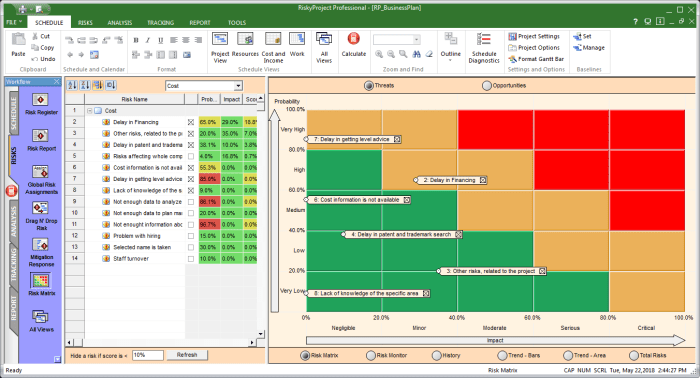
- Centralized Risk Register: Risk management software allows businesses to create a centralized risk register where all identified risks are documented and continuously monitored.
- Risk Assessment Tools: These tools help businesses assess the likelihood and impact of each risk, allowing them to prioritize and allocate resources accordingly.
- Scenario Analysis: Risk management software enables businesses to conduct scenario analysis to understand the potential outcomes of different risk scenarios and develop appropriate response strategies.
- Compliance Management: The software helps businesses ensure compliance with regulations and internal policies by tracking and managing regulatory requirements.
- Reporting and Dashboards: Risk management software provides customizable reporting and dashboard functionalities, allowing businesses to visualize risk data and trends for informed decision-making.
Importance of Utilizing Risk Management Software
Risk management software plays a crucial role in helping businesses proactively identify and address risks, leading to improved decision-making, operational efficiency, and overall business resilience. By leveraging the capabilities of risk management software, businesses can enhance their risk mitigation strategies, protect their assets, and maintain a competitive edge in today’s dynamic business environment.
Types of Risk Management Software
Risk management software comes in various types to cater to different industries and organizational needs. Let’s explore the different categories available in the market.
Cloud-Based vs. On-Premise Risk Management Software
- Cloud-Based Risk Management Software:
- Accessible from anywhere with an internet connection
- Offers scalability and flexibility for growing businesses
- Requires no hardware maintenance or upfront costs
- Provides automatic updates and backups
- On-Premise Risk Management Software:
- Installed and managed on the company’s own servers
- Offers complete control over data security and customization
- May require higher upfront costs for hardware and software licenses
- Requires in-house IT expertise for maintenance and updates
Specialized Risk Management Software for Specific Industries
- Healthcare:
- Focuses on patient data security and compliance with regulations like HIPAA
- Includes features for managing medical errors, patient safety, and insurance claims
- Integrates with electronic health record (EHR) systems
- Finance:
- Addresses financial risks such as market volatility, credit risks, and fraud prevention
- Offers tools for portfolio management, regulatory compliance, and stress testing
- Integrates with trading platforms and financial data sources
- Construction:
- Focuses on safety hazards, project delays, and compliance with building codes
- Includes features for subcontractor management, equipment safety, and risk assessments
- Integrates with project management and scheduling tools
Key Features and Benefits
Effective risk management software should possess key features that enable businesses to identify, assess, and mitigate risks efficiently. By integrating such software into their operations, organizations can reap numerous benefits in terms of improved decision-making and overall risk mitigation.
Essential Features of Risk Management Software
- Centralized Risk Repository: A good risk management software should provide a centralized platform to store and manage all risk-related information.
- Risk Identification Tools: The software should offer tools to help identify potential risks across various business processes and activities.
- Risk Assessment Capabilities: It should allow for the assessment of risks based on their impact and likelihood, facilitating prioritization.
- Incident Reporting and Tracking: The software should enable users to report incidents, track their progress, and analyze their root causes.
- Customizable Risk Registers: Businesses should be able to customize risk registers to align with their specific risk management needs.
How Risk Management Software Helps
Risk management software plays a crucial role in assisting organizations in identifying, assessing, and mitigating risks effectively. By providing a structured approach to risk management, the software helps in creating a risk-aware culture within the organization.
Benefits of Integrating Risk Management Software
- Improved Decision-Making: By having access to real-time risk data and analytics, organizations can make informed decisions that align with their risk tolerance levels.
- Enhanced Compliance: Risk management software aids in ensuring compliance with industry regulations and standards, reducing the risk of penalties or legal issues.
- Cost Savings: Proactively managing risks through software can lead to cost savings by minimizing potential losses and optimizing resource allocation.
- Increased Efficiency: Automation of risk management processes can streamline workflows, saving time and improving operational efficiency.
- Better Stakeholder Communication: The software facilitates transparent communication with stakeholders regarding risk exposure, fostering trust and accountability.
Risk Assessment
Risk assessment is a crucial component of risk management software, as it involves identifying, analyzing, and evaluating potential risks to an organization. By assessing risks, businesses can make informed decisions to mitigate or avoid potential negative impacts.
Examples of Risk Assessment Tools
- Quantitative Risk Analysis: This tool assigns numerical values to risks based on probability and impact, allowing for a more objective evaluation.
- Qualitative Risk Analysis: Utilizing subjective judgment to assess risks based on likelihood and severity, this tool provides a qualitative perspective on potential risks.
- Risk Heat Maps: Visual representations that categorize risks based on their likelihood and impact, providing a quick overview of the most critical risks.
Contribution to Effective Decision-Making
Risk assessment plays a vital role in enabling businesses to make effective decisions by:
- Identifying Potential Risks: By conducting risk assessments, businesses can proactively identify potential threats and vulnerabilities that may impact their operations.
- Prioritizing Risks: Risk assessment tools help organizations prioritize risks based on their likelihood and potential impact, allowing them to focus on addressing the most critical issues first.
- Informing Risk Mitigation Strategies: Through risk assessment, businesses can develop targeted risk mitigation strategies to reduce the likelihood and impact of identified risks.
Risk Management
Risk management software plays a crucial role in creating effective risk management strategies for organizations. By utilizing advanced algorithms and data analysis capabilities, this software helps in identifying potential risks, assessing their impact, and developing mitigation plans to minimize their effects.
Role of Risk Management Software
Risk management software aids in monitoring and controlling risks by providing real-time updates on potential threats and vulnerabilities. It allows organizations to track risk factors, analyze trends, and generate reports to support decision-making processes. This proactive approach enables businesses to address risks promptly and implement preventive measures to avoid negative consequences.
- Automating risk assessment processes.
- Integrating risk data from various sources for comprehensive analysis.
- Facilitating collaboration among team members for efficient risk management.
Successful Risk Management Examples
One real-world example of successful risk management using software solutions is the case of a financial institution that implemented a risk management platform to monitor market fluctuations and regulatory changes. By leveraging this software, the organization was able to identify potential risks in investment portfolios, adjust strategies accordingly, and maintain compliance with industry regulations.
“Risk management software enables businesses to proactively address potential threats and protect their assets effectively.”
Risk Tolerance
Risk tolerance refers to the level of risk that an organization is willing to accept or take on in pursuit of its objectives. It is a crucial aspect of risk management as it helps organizations identify how much risk they are comfortable with and where they draw the line.
Significance of Risk Tolerance in Risk Management
Determining risk tolerance is essential for organizations to establish boundaries for risk-taking activities. By clearly defining risk tolerance levels, organizations can align their risk management strategies with their overall objectives and make informed decisions about risk exposure.
- Setting risk tolerance levels helps organizations prioritize risks and allocate resources effectively.
- It enables organizations to proactively manage risks and avoid situations where risks exceed their capacity to handle.
- Understanding risk tolerance guides organizations in developing risk mitigation plans and strategies.
Relationship between Risk Tolerance and Risk Management Decisions
Risk tolerance directly influences the decisions made in risk management processes. Organizations with a high risk tolerance may be more inclined to pursue opportunities with higher risks for potentially higher returns. On the other hand, organizations with low risk tolerance may prioritize risk avoidance and mitigation strategies to protect their assets and reputation.
- By using risk management software, organizations can assess their risk tolerance levels based on predefined criteria and parameters.
- Software tools provide analytics and simulations to help organizations understand the potential impact of different risk levels on their operations and performance.
- Through continuous monitoring and analysis, risk management software assists organizations in adjusting their risk tolerance levels in response to changing internal and external factors.
In conclusion, Risk management software is a vital tool for businesses looking to enhance their risk management strategies and ensure better decision-making. By integrating this software into their operations, companies can proactively identify and address potential risks, ultimately leading to improved business outcomes and success.
Questions Often Asked
What are the key features of risk management software?
Risk management software typically includes features such as risk identification, assessment, mitigation tools, reporting capabilities, and integration with other business systems.
How does risk management software help in decision-making?
Risk management software provides valuable insights through risk assessment and monitoring, enabling businesses to make informed decisions based on data-driven analysis of potential risks.


