Diving into the realm of Risk management tools, this introduction sets the stage for a captivating exploration of the tools and strategies essential for safeguarding businesses against potential risks.
As we delve deeper, we will uncover the significance of risk assessment, effective risk management strategies, risk tolerance, and the array of tools available to mitigate risks in various industries.
Risk Assessment
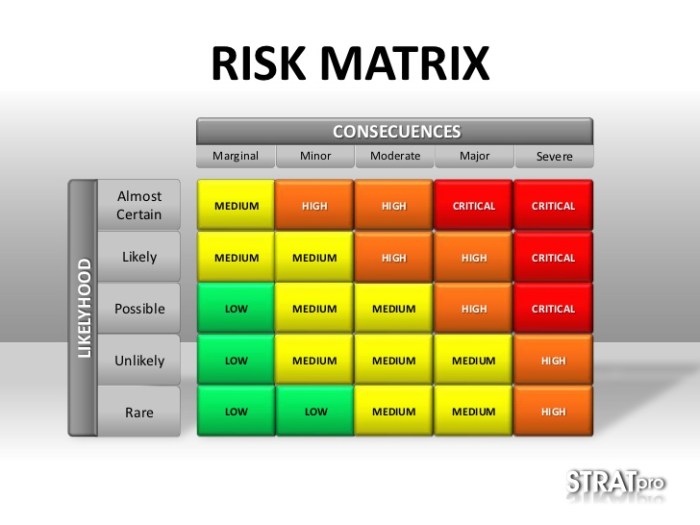
Conducting a thorough risk assessment is crucial before implementing risk management tools to ensure that potential risks and vulnerabilities are identified and addressed effectively. By evaluating and analyzing the risks associated with a project, organization, or system, businesses can make informed decisions to mitigate these risks and prevent potential threats.
Key Factors to Consider during Risk Assessment
- Identification of assets and resources at risk
- Assessment of potential threats and vulnerabilities
- Evaluation of potential impact and likelihood of risks
- Consideration of regulatory compliance requirements
- Analysis of existing control measures and safeguards
Common Risk Assessment Methodologies
- Qualitative Risk Assessment: Involves subjective analysis based on expert judgment to prioritize risks.
- Quantitative Risk Assessment: Involves numerical analysis to quantify risks based on data and probability.
- Fault Tree Analysis: Identifies potential failures and their causes to assess the likelihood of specific risks.
- Hazard and Operability Study (HAZOP): Focuses on identifying deviations from the intended design to uncover potential risks.
Benefits of Risk Assessment
Risk assessment helps in identifying potential risks and vulnerabilities by systematically analyzing the internal and external factors that may impact the organization. By understanding the risks involved, businesses can develop strategies to mitigate these risks, enhance decision-making processes, and improve overall security measures. Additionally, risk assessment enables organizations to prioritize risks based on their potential impact and likelihood, allowing them to allocate resources effectively to manage and mitigate these risks.
Risk Management
Risk management is a crucial aspect of business operations that involves identifying, assessing, and prioritizing risks to minimize their impact on an organization. By implementing effective risk management strategies, businesses can proactively address potential threats and uncertainties, ultimately safeguarding their assets and reputation.
Different Risk Management Strategies
- Preventive Strategies: These involve taking proactive measures to minimize the likelihood of risks occurring, such as implementing safety protocols or conducting regular audits.
- Transference Strategies: Involves transferring the risk to a third party, such as through insurance or outsourcing certain activities.
- Mitigation Strategies: Focuses on reducing the impact of risks that cannot be eliminated entirely, through contingency planning or diversification.
- Avoidance Strategies: Involves steering clear of activities or situations that pose significant risks to the organization.
Steps in Developing a Robust Risk Management Plan
- Identify and assess risks: Conduct a thorough analysis to identify potential risks and evaluate their potential impact.
- Develop risk mitigation strategies: Create a plan to address each identified risk, outlining preventive measures and contingency plans.
- Implement risk management tools: Utilize software and tools to monitor, track, and manage risks effectively.
- Regularly review and update the plan: Continuously assess the effectiveness of the risk management plan and make necessary adjustments to ensure its relevance.
Real-life Scenarios of Effective Risk Management
During the 2008 financial crisis, banks that had robust risk management practices in place were better equipped to weather the storm compared to those that did not. By diversifying their portfolios and implementing strict risk assessment procedures, these banks were able to mitigate potential losses and maintain stability.
In the pharmaceutical industry, companies that conduct rigorous risk assessments before launching new products can identify potential safety concerns early on, preventing costly product recalls and reputational damage.
Risk Tolerance
Risk tolerance is defined as the degree of variability an organization is willing to accept in its strategic, operational, financial, or other objectives. It plays a crucial role in decision-making within an organization by determining the level of risk that the organization is willing to take on in pursuit of its goals.
Variability Across Industries
Different industries and sectors have varying levels of risk tolerance based on factors such as regulatory environment, market dynamics, competitive landscape, and overall business objectives. For example, industries like healthcare and finance may have lower risk tolerance levels due to the sensitive nature of their operations and the potential impact on stakeholders in case of failure. On the other hand, industries like technology and innovation may have higher risk tolerance levels as they are more accustomed to rapid change and uncertainty.
Influence on Risk Management Strategies
Risk tolerance significantly influences risk management strategies within an organization. A higher risk tolerance may lead to more aggressive strategies that aim for higher returns but come with increased exposure to potential losses. Conversely, a lower risk tolerance may result in more conservative approaches that prioritize stability and long-term sustainability over short-term gains. By aligning risk management strategies with the organization’s risk tolerance, companies can effectively balance risk and reward to achieve their objectives.
Alignment with Business Objectives
It is crucial for organizations to align their risk tolerance with their business objectives to ensure that risk-taking is in line with strategic goals. Failure to align risk tolerance with business objectives can lead to mismanagement of risks, missed opportunities, or exposure to unnecessary liabilities. By establishing a clear understanding of risk tolerance and integrating it into decision-making processes, organizations can enhance their ability to achieve sustainable growth and competitive advantage.
Risk Management Tools
Risk management tools are essential for organizations to identify, assess, and mitigate risks effectively. These tools help in streamlining the risk management process and ensuring that potential threats are managed proactively. By utilizing various software solutions and technologies, businesses can enhance their risk management practices and protect their assets and reputation.
Popular Risk Management Tools
- Enterprise Risk Management (ERM) software: ERM software allows organizations to identify, assess, and prioritize risks across all departments and functions.
- Risk Assessment Tools: These tools help in quantifying and evaluating risks based on likelihood and impact, enabling organizations to make informed decisions.
- Incident Management Tools: Incident management tools assist in tracking and responding to security incidents and breaches effectively.
- Compliance Management Software: Compliance management software ensures that organizations adhere to regulatory requirements and standards, reducing legal and financial risks.
Comparison of Risk Management Software Solutions
- Some software solutions offer comprehensive risk management functionalities, while others focus on specific areas such as financial risk or cybersecurity.
- The cost, scalability, and user-friendliness of different software solutions vary, allowing organizations to choose the one that best fits their needs and budget.
- Cloud-based risk management tools provide flexibility and accessibility, enabling remote teams to collaborate on risk assessment and mitigation efforts.
Benefits of Technology in Risk Management
- Automation of risk assessment processes saves time and reduces human errors, improving the accuracy of risk identification and evaluation.
- Data analytics capabilities in risk management tools enable organizations to predict and prevent potential risks before they escalate.
- Integration with other business systems enhances risk visibility and enables informed decision-making at all levels of the organization.
Role of Risk Management Tools
- Risk management tools help in monitoring risks in real-time, providing timely alerts and notifications to stakeholders.
- By centralizing risk data and analysis, these tools facilitate collaboration among different departments and ensure a coordinated response to risks.
- Reporting features in risk management tools allow organizations to track risk mitigation efforts and demonstrate compliance to regulatory bodies and stakeholders.
In conclusion, Risk management tools play a crucial role in fortifying businesses against uncertainties, ensuring smooth operations and sustainable growth. By embracing these tools and strategies, organizations can proactively protect their assets and thrive in today’s dynamic landscape.
Frequently Asked Questions
What are some common risk assessment methodologies used in different industries?
Risk assessment methodologies vary across industries but commonly include techniques like SWOT analysis, FMEA, and scenario analysis.
How do risk tolerance levels influence risk management strategies?
Risk tolerance levels dictate the extent to which risks are accepted in decision-making, shaping the risk management approach to align with organizational objectives.
What benefits do risk management tools offer in monitoring and responding to risks effectively?
Risk management tools provide real-time monitoring, analysis, and reporting capabilities, enabling proactive risk mitigation and swift responses to emerging threats.


